
The roar that erupts from the San Siro on a Sunday afternoon is unlike anything else in Italian sport. It is tribal, visceral, and absolute. For generations, Calcio—Italian soccer—has not merely been a game in this country; it has been a cultural identity, a secular religion practiced in cathedrals of concrete and passion from Turin to Naples. In a nation where winter often means the celebrated slopes of the Alps and the cult of skiing legends like Alberto Tomba and Sofia Goggia, the disciplines played on frozen water have long existed in a quiet, peripheral chill .
But every forty years or so, the Olympic flame cuts through that cold. As Italy prepares to co-host the Milano Cortina 2026 Winter Games, the spotlight is swiveling toward the ice. For the Italian Federation of Ice Sports (FISG), this is not just a moment of national pride; it is a strategic pivot point. The federation is executing a high-stakes gamble to convert the temporary glare of Olympic attention into a permanent thaw for ice sports, aiming to drag disciplines like short track, figure skating, and hockey out from the long shadow of soccer and into the warmth of the Italian mainstream.
The Strategy: From Frozen Venues to Living Rooms
For decades, the narrative of Italian infrastructure has been one of glorious decay—stadiums built for past glories left to crumble, and “white elephant” venues from major events standing as monuments to missed opportunity. The memory of the financial chaos surrounding the Turin 2006 Olympics, where organizers faced a massive €180 million funding gap just months before the Games, still lingers as a cautionary tale .
Milano Cortina 2026, however, is being built on a radically different philosophy. The organizing committee has adopted a model shaped by Olympic Agenda reforms, prioritizing reuse over reckless construction. A staggering 85 percent of competition venues are existing structures, one of the highest reuse rates in Winter Games history . This isn’t merely an environmental talking point; it is the bedrock of FISG’s legacy strategy.
The approach is twofold. First, the federation is leveraging the restoration of historic temples of ice. In Cortina d’Ampezzo, the iconic Olympic Ice Stadium, which hosted events during the 1956 Games and even appeared in a James Bond film, is being meticulously renovated . The project carefully preserves the wooden interiors of the 1950s while installing modern accessibility features, new locker rooms, and upgraded seating . This is not demolition; it is preservation with purpose. The goal is to transform these sites from museum pieces into vibrant, functional hubs.
Second, the strategy extends beyond the historic mountain venues to the urban centers. In Milan, the approach is pragmatic and community-focused. The “Fuori Campo” project, backed by €245,000 from a consortium of five foundations, aims to take sport “out of its traditional places” . By funding mobile equipment and participatory design for public spaces, the initiative is designed to use the Olympics as a catalyst for grassroots engagement in the city’s municipalities . The temporary Ice Park in the Rho exhibition center, built to host speed skating, is designed with a future life in mind, intended to be converted back into flexible community space long after the Olympians have gone home .
This marks a distinct shift from the past. Instead of building monolithic venues and hoping people will come, the FISG and local authorities are investing in accessibility and adaptability. Millions are being poured into upgrades that benefit local residents—improved public transport, accessible routes, and renovated community sports facilities . The logic is simple: if you build rinks that are integrated into the fabric of the neighborhood and easy to get to, the kids who watch the magic on TV might actually show up to try it themselves.
The Athletes: The New Heroes Under Pressure
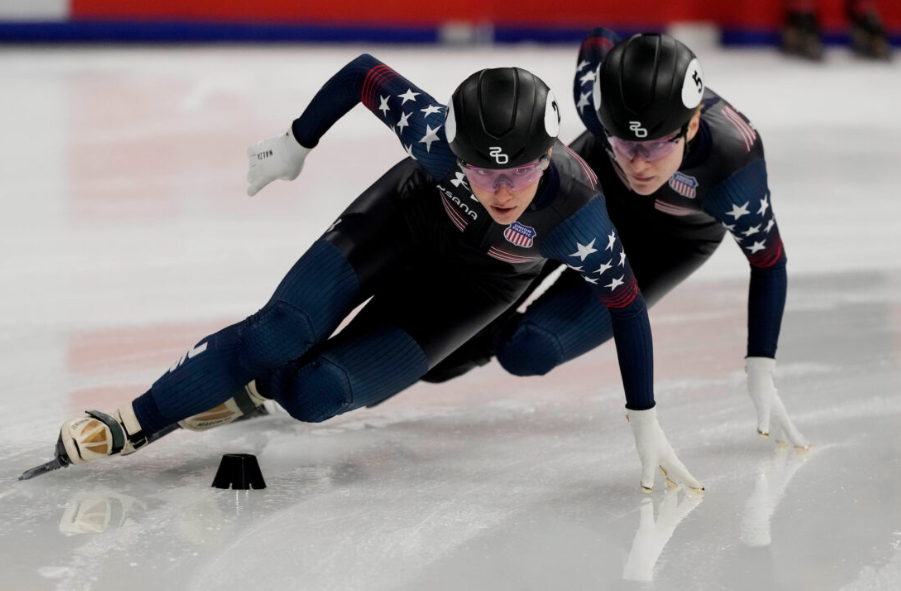
Strategy and infrastructure are useless without heroes to inspire the next generation. Fortunately for Italy, the 2026 roster of ice athletes reads like a casting call for national icons. At the very top of the marquee stands Arianna Fontana. Already Italy’s most decorated Winter Olympian of all time with an astounding 11 medals spanning from Turin 2006 to Beijing 2022, Fontana is more than an athlete; she is a living monument to resilience . Selected as a flag bearer for the Milan opening ceremony, her presence on home ice in the short track—an event she won in 2018 and defended in 2022—provides a narrative arc that screenwriters would envy .
The federation, however, is keenly aware of the psychological weight that accompanies home ice. Kenan Gouadec, the FISG High Performance Director, is actively managing the “home advantage” narrative. He acknowledges that the increased media coverage and public discussion since preparations began are encouraging signs, but he is wary of the pressure . His message to the skaters is refreshingly humanistic for the elite sport level. “The athlete’s life is very small compared to their actual lifespan,” Gouadec told Xinhua. “So you need to enjoy moments like the Olympics, because it’s a very small chance” .
This philosophy extends to the coaching staff. The federation’s decision to hire 38-year-old Chinese coach Qi Mengyao to lead the short track team was a calculated move based on her expertise in developing younger athletes during her time in Canada . The gamble paid off spectacularly when Qi guided the Italian mixed team relay to the country’s first short track gold medal of the Games . Her focus on technical development and tactical work, combined with Gouadec’s insistence that athletes feed off the crowd’s energy rather than fear it, has created a squad that is performing at its peak precisely when it matters most .
By marketing these skaters—not just as medal contenders, but as compelling personalities with deep connections to their home turf—the FISG is attempting to create a new pantheon of Italian sport. The hope is that a child in Milan or Rome will hang a poster of Fontana next to one of Inter Milan’s Lautaro Martínez, and that the lines between the country’s sporting obsessions will begin to blur.
The Hurdles: Competing with Passion and Paying the Bills
Yet, for all the meticulous planning and on-ice heroics, the path to the mainstream is blocked by obstacles as hard as the ice itself. The first is cultural. Italian soccer is not just popular; it is hegemonic. It dominates conversations, sports pages, and television ratings with a fervor that leaves little room for rivals.
Aware of this, the sports marketing world has seen strange bedfellows emerge. In the lead-up to the Games, the National Hockey League (NHL) and Italy’s Serie A formed a bizarre but brilliant partnership . NHL stars from Europe laced up soccer cleats and trained with Serie A players in Milan, attending AC Milan’s opening game at the San Siro . The strategy was transparent: leverage the massive popularity of Italian soccer to sell the concept of elite hockey to a nation where the sport ranks a modest 18th globally . As Rick Burton of Syracuse University noted, it was a “crafty cross-pollination” designed to generate interest for the Olympic hockey tournament . It highlights the reality that ice sports must piggyback on the popularity of soccer simply to get a sliver of the public’s attention.
The second hurdle is economic. Building and maintaining ice rinks is prohibitively expensive compared to paving a soccer pitch. While the “Fuori Campo” project and Olympic legacy funds provide seed money, the long-term funding of non-revenue sports in Italy is perpetually precarious . The FISG is hoping that the visibility of the Games will lead to increased participation, which in turn can justify greater government and private investment . It is a “build it and they will come” hope, but one that relies on turning casual viewers into paying participants—a notoriously difficult conversion in a country with a warm climate and a deep-seated preference for kicking a ball in the piazza.
Conclusion: A Frozen Gamble
As the medals are distributed and the Olympic flame is extinguished, the true test for the FISG will begin. Will the renovated palazzetti be filled with the sound of young Italians learning to skate, or will they stand as quiet monuments to a fleeting moment in 2026? Can the stories of Fontana and Qi’s relay team inspire a generation to trade the grass for the ice, even just for a season?
The stakes could not be higher. The Milan-Cortina Games represent a unique confluence of historic infrastructure, strategic investment, and generational talent. The FISG has laid the groundwork, securing increased media coverage and public debate even before the opening ceremony . But as the confetti is swept away, the federation will face the hardest part of the mission: sustaining momentum in a nation where the call of Calcio is eternal.
This is, ultimately, a frozen gamble. If it pays off, Italy could emerge as a genuine powerhouse in winter sports, broadening its athletic identity beyond the slopes and the soccer pitch. If it fails, the legacy of 2026 will be a series of beautifully renovated buildings, a handful of cherished memories, and the cold realization that some passions are simply too hot to overcome. For now, however, the ice is set, the skates are sharpened, and Italy is watching to see if its frozen stars can perform a miracle.